Protecting Your Rights,
Your Freedom & Your Future
Your Freedom & Your Future
Alabama Criminal Defense Lawyers










An Alabama ignition interlock device is a breath-alcohol analyzer wired into a vehicle. You blow into a mouthpiece before the engine will start. If the sample reads 0.02 or more, the vehicle will not start. Alabama uses these devices to keep impaired drivers off the road. They also let you keep driving legally, but only in the vehicle that carries the device.
The device does more than test you at the start of a trip. Under Alabama law it is a constant monitoring device, and approved units also require rolling retests as you drive. These come at random times. If you fail a rolling retest, or give no sample at all, the device logs the event. Your horn and lights may go off until you turn the engine off.
Every breath sample, startup attempt, and retest goes into the device's data log. Your provider collects that data at each calibration appointment. Two state bodies share the work. The Department of Forensic Sciences approves the devices and writes the program rules. The Alabama State Law Enforcement Agency, or ALEA, enforces those rules, inspects providers, and issues the interlock-restricted license. The DUI statute sets when an interlock is required and for how long. A second section covers how devices get approved, how they must be installed, and what counts as tampering.
That data log can help you or hurt you. Clean logs show that you complied, and they move you closer to a full license. Flagged events can bring real consequences – even ones the device got wrong.
Alabama law requires an interlock in several situations, and each one is tied to a DUI conviction. What sets the requirement off, and how long it lasts, depends on the offense.
First DUI conviction: Under Alabama law, a first DUI conviction carries a 90-day license suspension. You may choose to install an approved device for 90 days. That stays the suspension and you keep driving. But the interlock becomes mandatory for one year if any of these apply:
In those cases the 90-day suspension still runs. The one-year interlock period starts only after you serve at least 45 days of it and the convicting court issues an order.
Second DUI conviction: A second conviction carries a one-year license revocation and a mandatory two-year interlock period. The statute says you must serve at least 45 days of the revocation first. The convicting court must also issue an order. Then the two-year interlock period starts, and the rest of the revocation is stayed.
Third and later DUI convictions: Alabama law stretches the device out for repeat offenses. A third conviction carries a three-year license revocation and a three-year interlock period, which starts after 60 days. A fourth or later conviction is a Class C felony. It carries a five-year revocation and a four-year interlock period, which starts after one year.
Bond condition: A judge may also order an interlock as a condition of bond before trial. Time on a bond-condition device does not count toward the interlock period you owe after a conviction.
The device can also be a path to getting your license back sooner. Under Alabama law, the rest of the suspension or revocation is commuted once you finish the mandated interlock period. And no device is required at all if no certified provider sits within 50 miles of your home, your business, or the place where you work.
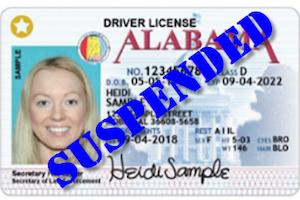
The process has a few steps. Follow each one carefully, or you risk delays and compliance problems.
First, obtain an interlock-restricted driver license from ALEA. Under Alabama law, the agency may charge up to $150 for it. You must show proof that the device is installed before the license is issued. At the end of the interlock period, a fee of up to $75 applies to get a regular license back.
Next, select an approved provider. Alabama law puts the Department of Forensic Sciences in charge of the approved device list. Only devices on that list satisfy the court's requirements. A provider that is not approved means the installation does not count.
Then schedule installation at a certified service center. Alabama law sets a $200 fee payable to the court, and you may pay it in installments. The provider, not the statute, sets the charges to install the device, lease it, calibrate it, and monitor the data. Those costs are yours to pay. A driver who does not own a vehicle pays $75 a month for the whole interlock period. A driver the court finds indigent, on an affidavit of substantial hardship, pays nothing to install and maintain the device.
After installation, keep the device on a strict calibration schedule. Under Alabama law, it must be serviced and calibrated every 30 days. A missed appointment counts as a violation.
Keep your documentation. Save each receipt, service record, and calibration report. Those records become critical evidence if a violation is ever disputed.
An Alabama interlock violation can extend the device period and create new legal problems. Understanding what counts as a violation, and what comes next, matters to everyone on the program.
Under Alabama law, ignition interlock driving violations include:
The consequences are real. Each violation adds six months to the interlock period. The violation is reported to ALEA and to the court. If you are on probation, it can set off revocation proceedings and possible jail time. Tampering charges carry penalties of their own.
Probation runs until every interlock requirement is met. Violations can keep you under court supervision far longer than your sentence first looked.

Not every flagged event is a real violation. Ignition interlock defense starts by testing how sound the reported data is.
Mouth alcohol is one of the most common defenses. Mouthwash, breath spray, and some liquid medications leave alcohol in the mouth. Forensic testing has found that ordinary breads and soft drinks can do the same. A sample given right after reads that mouth alcohol, not what you drank. The effect is brief. It clears on its own in about fifteen minutes. Alabama law accounts for this in part. A retest within 10 minutes that reads below 0.02 excludes the first reading. But not every driver knows to retest at once, and not every situation allows it.
Device malfunction and calibration errors open a second path. These units are electronic instruments. They drift, their sensors wear, and their software glitches. Calibration records can show whether the device read accurately on the day in question. If it was overdue for service, or read oddly at the last appointment, those records can cut against the violation report.
Medical conditions can also skew a reading. Acid reflux disease, known as GERD, can push stomach alcohol up into the mouth and lift a breath result. Ketones from diabetes may register as alcohol on certain devices. A driver with records of either has a basis to challenge a reading that does not match what he or she drank.
Mechanical problems can block a rolling retest. If the device malfunctions during a retest window, you may be flagged for a missed retest even though you tried in good faith to comply.
These fights belong in the convicting court. That is where Alabama law puts interlock compliance. An ignition interlock device attorney can contest the violation report there. The lawyer cross-examines the provider's technician. The lawyer introduces calibration and maintenance records. The lawyer also shows what else could have put alcohol in your mouth. Common evidence includes device service logs, breath data with time stamps, and a record of what you ate, drank, or used. Preserve that evidence as soon as a violation is reported. Write down what you ate, drank, or used before the test. Photograph the device screen if that is possible.

An ignition interlock device lawyer adds value at each stage. A lawyer can affect how long the device stays on your vehicle. A lawyer can also affect whether a violation adds to your penalty.
Compliance back in the convicting court: Alabama law routes interlock compliance to the court that imposed the device. If that court finds you out of compliance, it notifies ALEA. The agency then suspends your driving privileges until the court reports that you are back in compliance. The agency does not rule on the violation itself, so the court is the place to contest it. An ignition interlock violation attorney knows what that court wants to see and can address each point. If you are on probation, the device can also come up on a petition to revoke, which Alabama law allows only after notice and an opportunity to be heard.
Negotiating how long the device stays: A lawyer may negotiate with the prosecutor to hold the interlock period down. That can be part of a plea agreement. The statute ties the interlock period to the offense of conviction. The circumstances of each case can still shape the final terms.
Challenging the DUI itself: If the DUI conviction that triggered the device was flawed, a lawyer can pursue post-conviction relief. Flaws include an improper traffic stop, unreliable chemical testing, or procedural errors. Overturning or modifying the conviction may end the interlock requirement for good.
Getting the device removed: The requirement ends only when the court of conviction confirms to ALEA that you are no longer subject to it. A lawyer can file the appropriate motions and put your compliance records in front of the court.
Defending new charges: Alleged device tampering can bring new criminal charges. Those cases need their own defense strategy, built on the facts of what is alleged to have happened.
Bring every record to your first meeting: device reports, violation notices, court documents, and the restricted license. That lets the lawyer assess the case quickly and identify the strongest path forward.
Are you facing a required ignition interlock device, an alleged violation, or a question about getting the device removed? Contact Polson & Polson, P.C. for a free consultation. Time matters. Alabama law gives you 30 days from the date you become eligible for an interlock-restricted license to file proof of installation with the court or a probation officer. Missing that window can put probation itself at risk. Once a violation is reported, the court decides how long the device stays on.
Polson & Polson, P.C. handles DUI and interlock-related matters across Alabama. The firm may be able to help reduce your interlock period. It may challenge a violation report. It may also defend new charges that come out of alleged device tampering.
Every case is different, and the result turns on the specific facts. Call today and talk your situation over with an attorney who knows Alabama's interlock laws and the courts that enforce them.

The required period depends on the offense. A first DUI conviction may call for 90 days if you choose to install. One year is required if aggravating factors apply. Those factors are a BAC of 0.15 or higher, refusal of chemical testing, a child passenger under 14, or injury to another person. A second conviction carries a mandatory two-year period. Each interlock violation adds six months.
Alabama law sets a $200 fee payable to the court. A driver who does not own a vehicle pays $75 a month. The charges to install, lease, and monitor the device are set by the approved provider, not by statute. ALEA may charge up to $150 for the interlock-restricted license and up to $75 to reissue a regular license afterward. A driver the court finds indigent pays nothing to install and maintain the device.
One failed sample is not a violation by itself. A reading at or above 0.02 BAC must be recorded four or more times in one monthly reporting period to count. And it does not count if a retest within 10 minutes reads below 0.02. Repeat failures go to ALEA and to the court. Each confirmed violation adds six months to the interlock period.
Alabama law does not provide for early removal. The device comes off only when the court of conviction confirms to ALEA that you are no longer subject to the requirement, which follows the end of the mandated period. Finishing that period does shorten the license penalty, because the rest of the suspension or revocation is then commuted. And no device is required at all if no certified provider operates within 50 miles of your home, your business, or the place where you work.
The Alabama Department of Forensic Sciences maintains and publishes the list of approved ignition interlock devices. Only devices on that list satisfy the court's installation requirements. A provider that is not approved will not count toward compliance. Verify that approval status before you schedule installation.


